Creating your own DIY photo booth backdrop is a great way to save money on your event decor without sacrificing the overall look of your photo booth setup. Whether you're hosting a wedding, birthday party, corporate event, or graduation celebration, you don't necessarily need to rent an expensive backdrop to create a beautiful photo booth experience.
However, there's one important detail you don't want to overlook: the size of your backdrop!
One of the most common mistakes people make when creating a DIY photo booth setup is choosing a backdrop that's too small. While it might look great when you're standing in front of it, you may quickly realize that it doesn't provide enough coverage once guests start taking photos.
Before purchasing materials or building your own backdrop, it's important to consider the dimensions of your photo booth template and how much space you'll need for guests to comfortably pose.

What Size Should a DIY Photo Booth Backdrop Be?
As a general rule, we recommend keeping your photo booth backdrop:
Height: No shorter than 8 feet and no taller than 10 feet.
Width: Approximately 6 to 8 feet wide.
These dimensions provide a good starting point for most photo booth setups. However, the ideal size will depend on the type of photo booth template you're using.
For example, a square photo template will require more width from your backdrop than a traditional portrait-style photo strip. That's why it's important to choose your template before deciding on the final backdrop dimensions.
Choose Your Backdrop Size Based on Your Photo Booth Template
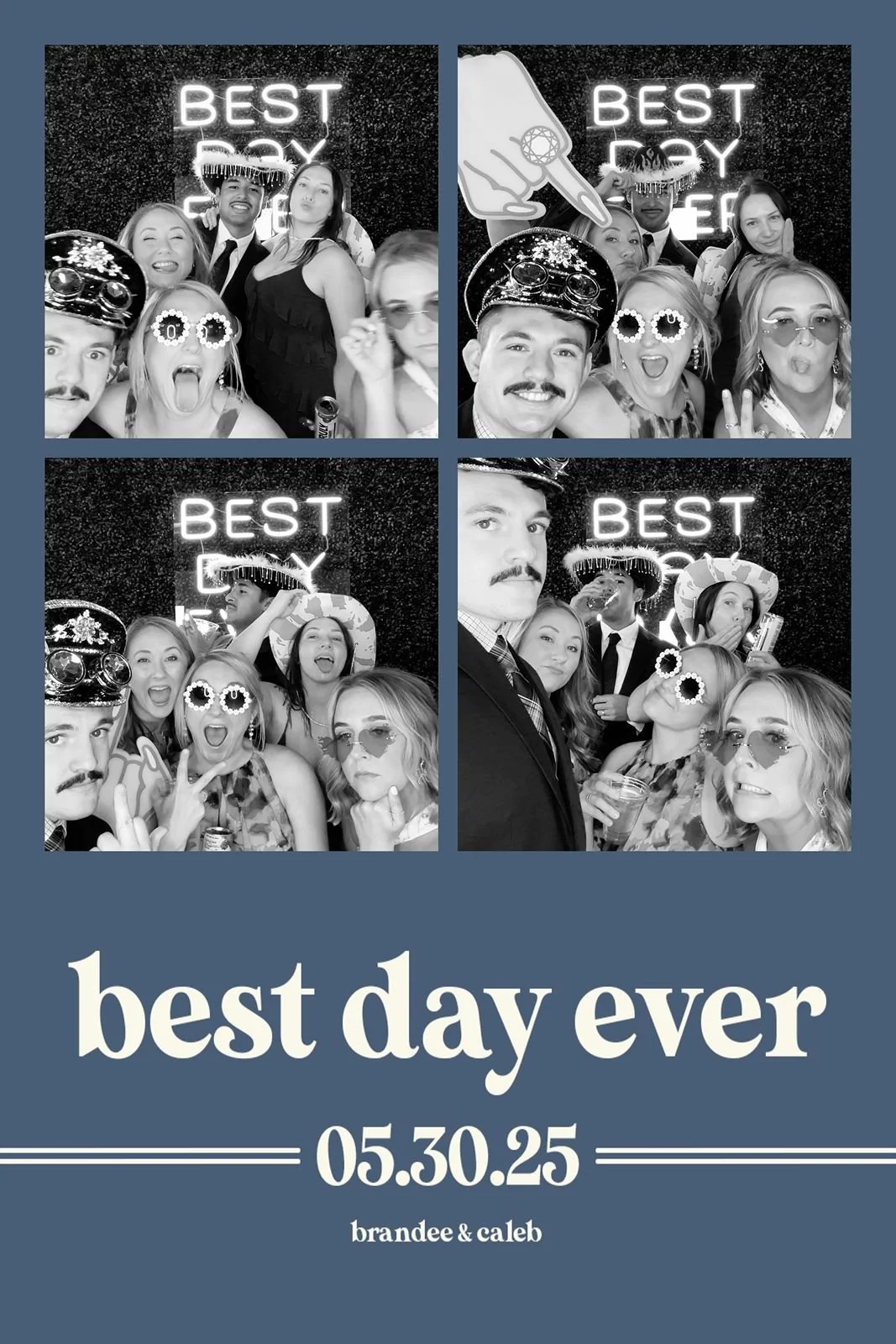
Not all photo booth templates are created the same! The layout you choose determines how much of the backdrop will be visible in your final photos.
Square Photo Booth Templates: 8 ft × 8 ft Backdrop
If you're planning to use a square photo booth template, we recommend an 8-foot-wide by 8-foot-tall backdrop. Square layouts generally capture more of the surrounding space, so having additional width helps ensure your backdrop fills the photo without leaving unwanted gaps around the edges.
Portrait Photo Booth Templates: 6 ft × 8 ft Backdrop
If you're using a portrait-style template, such as a traditional photo strip, you can typically get away with a narrower backdrop. A backdrop measuring 6 feet wide by 8 feet tall is a great starting point.
Because portrait templates capture a narrower area, you don't necessarily need the same amount of horizontal coverage as you would with a square template.
Why Backdrop Size Matters
You might be wondering why backdrop dimensions make such a difference. The goal is to make sure your backdrop fills the area captured by your photo booth camera.
If your backdrop is too narrow, guests may end up with parts of the surrounding venue, walls, or other background distractions showing in their pictures. If it's too short, taller guests or wider group poses may extend beyond the backdrop.
Choosing the right dimensions from the beginning helps create a more polished, professional-looking photo booth experience.
DIY Photo Booth Backdrop Ideas
Once you've determined the right dimensions, you can have fun choosing the style of your backdrop! You don't have to spend a fortune to create something that looks beautiful in photos.
Consider using:
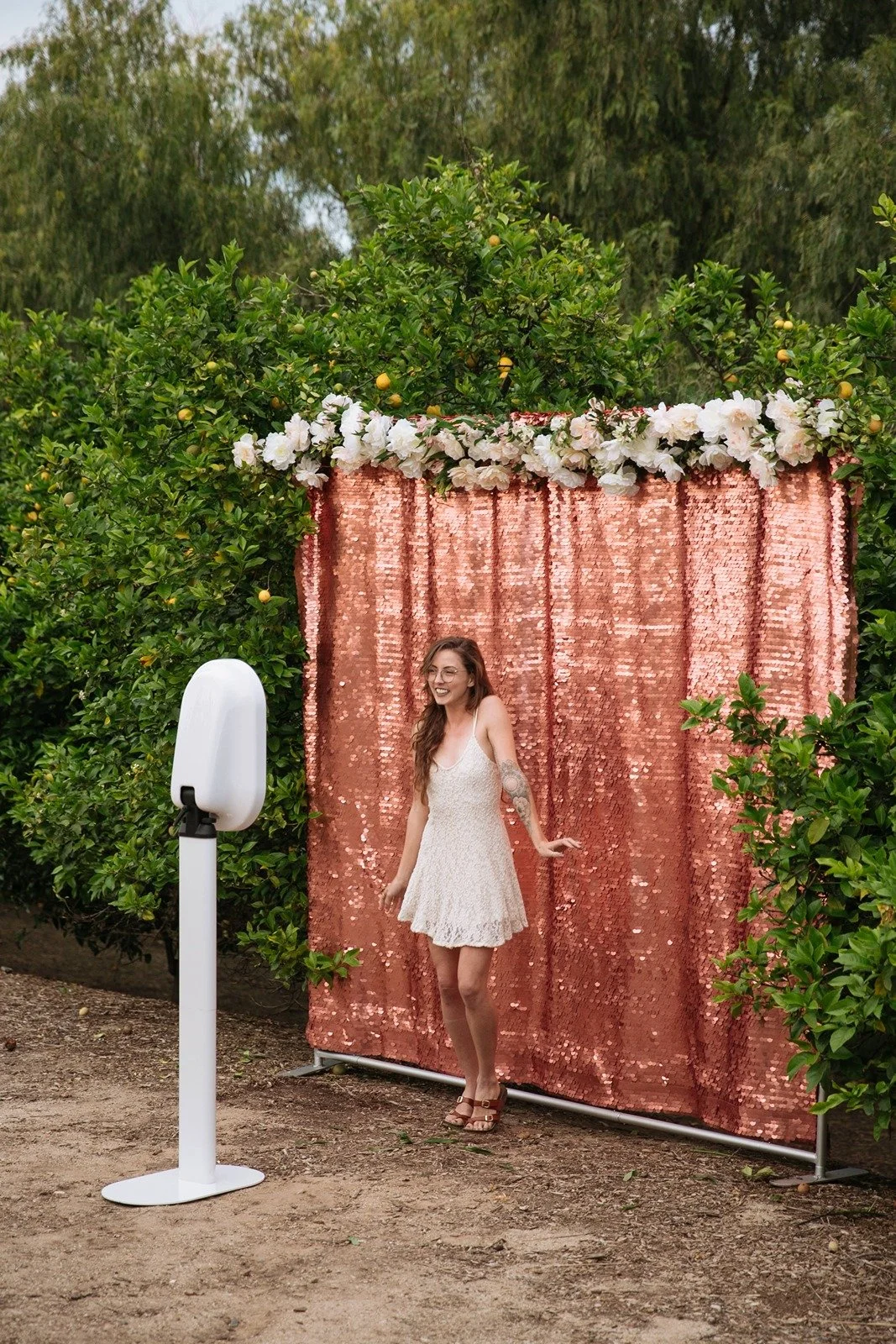
Fabric backdrops: An affordable option that comes in countless colors, textures, and patterns.
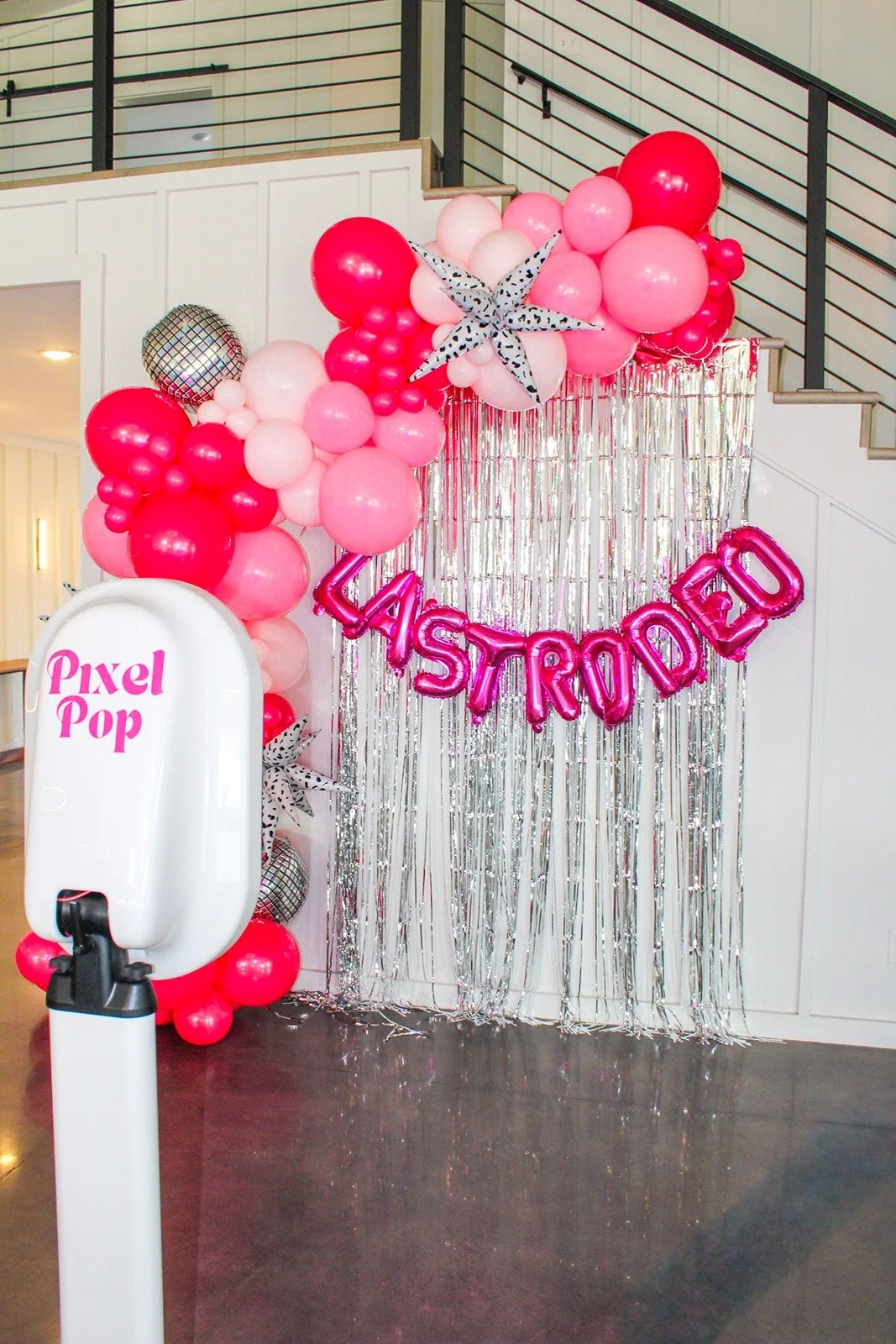
Streamers: Perfect for creating a fun, colorful backdrop for birthdays, graduations, and celebrations.
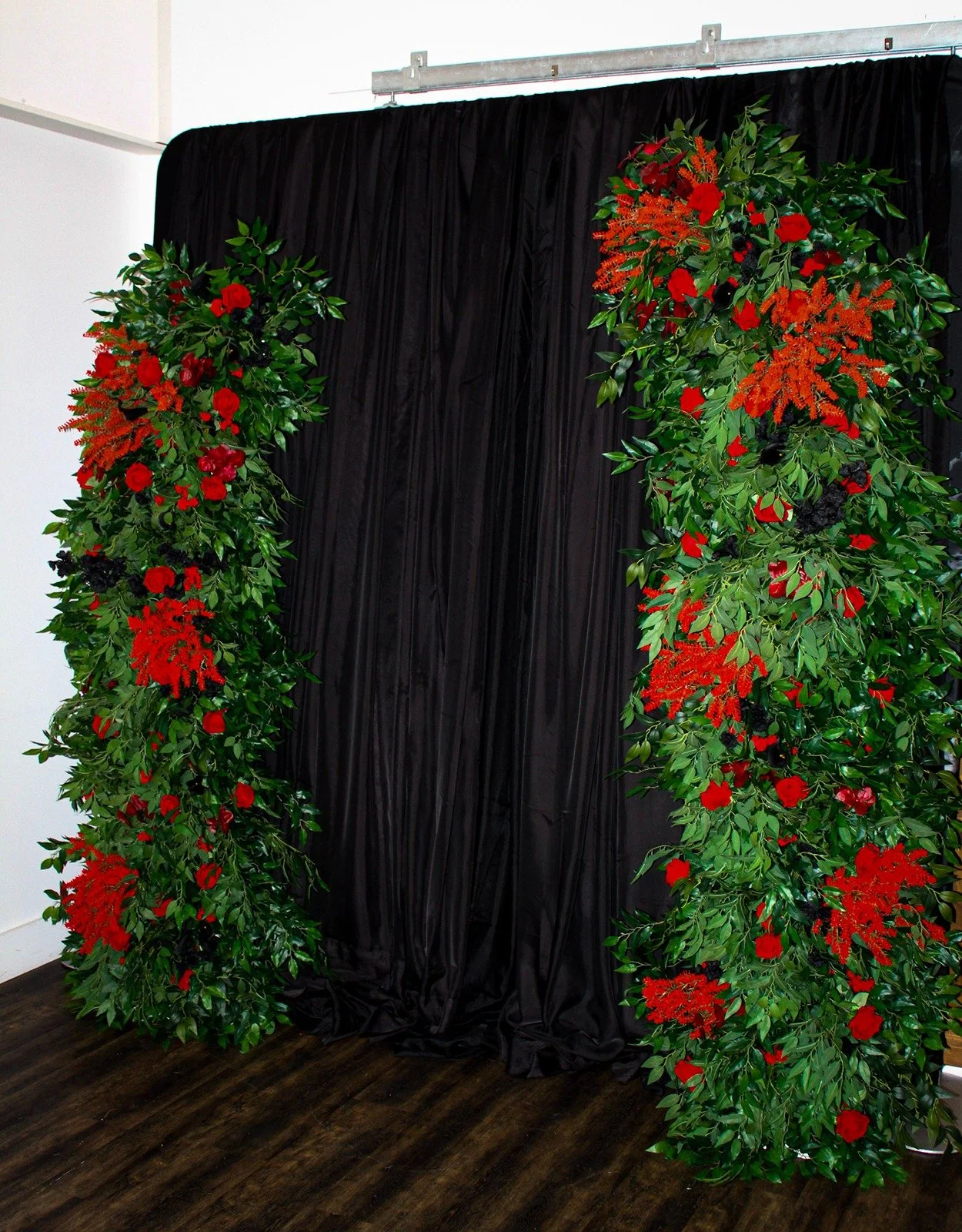
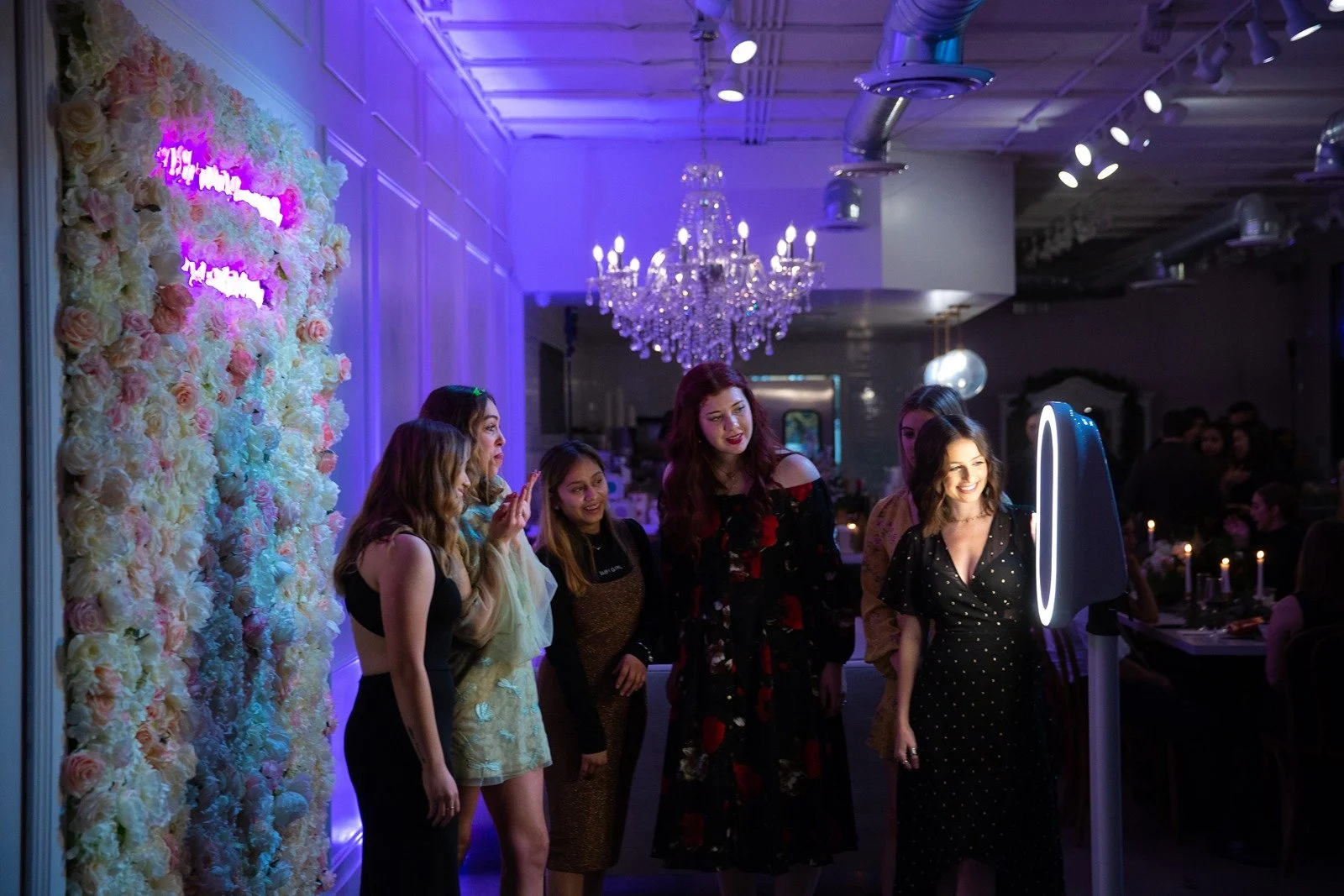
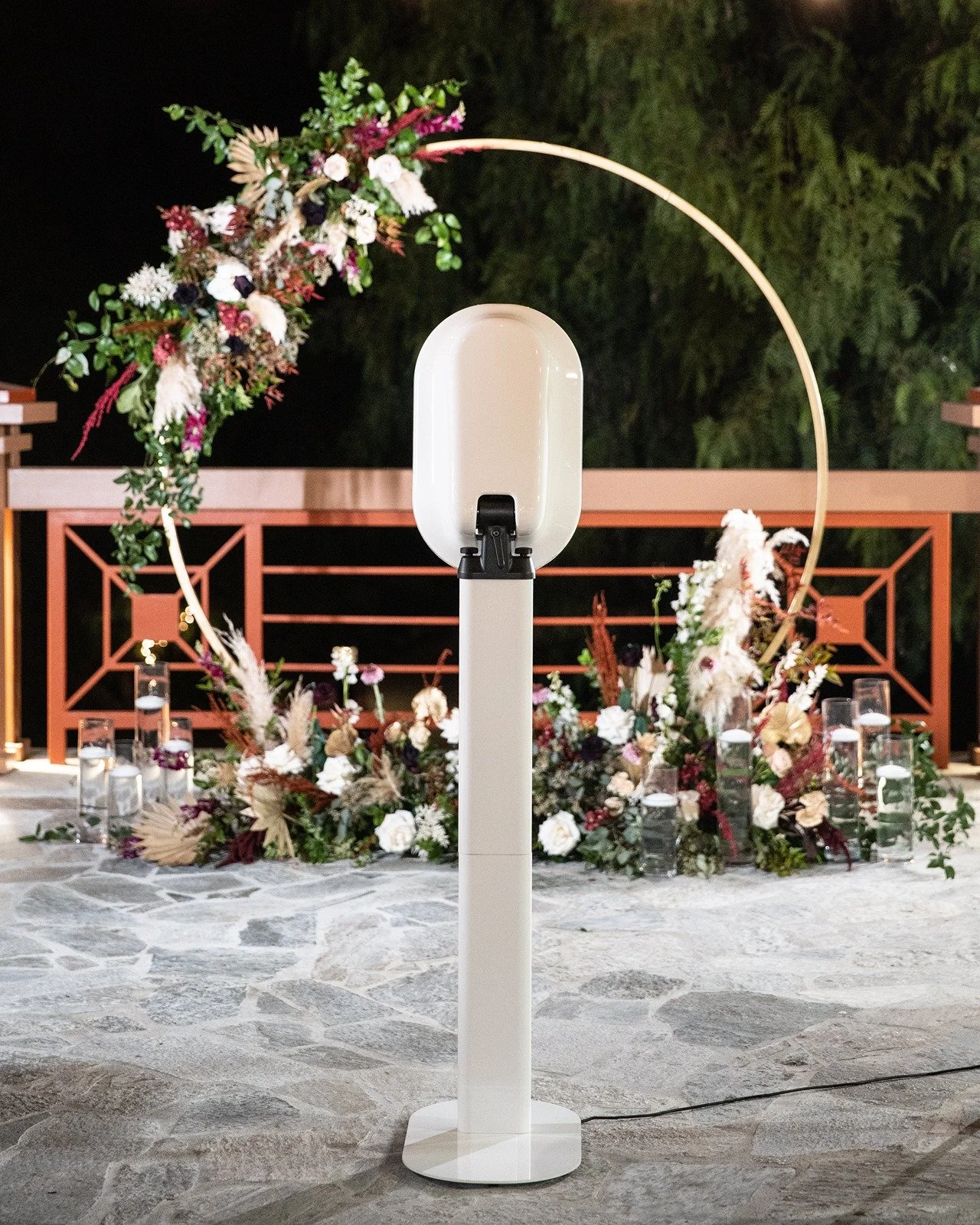
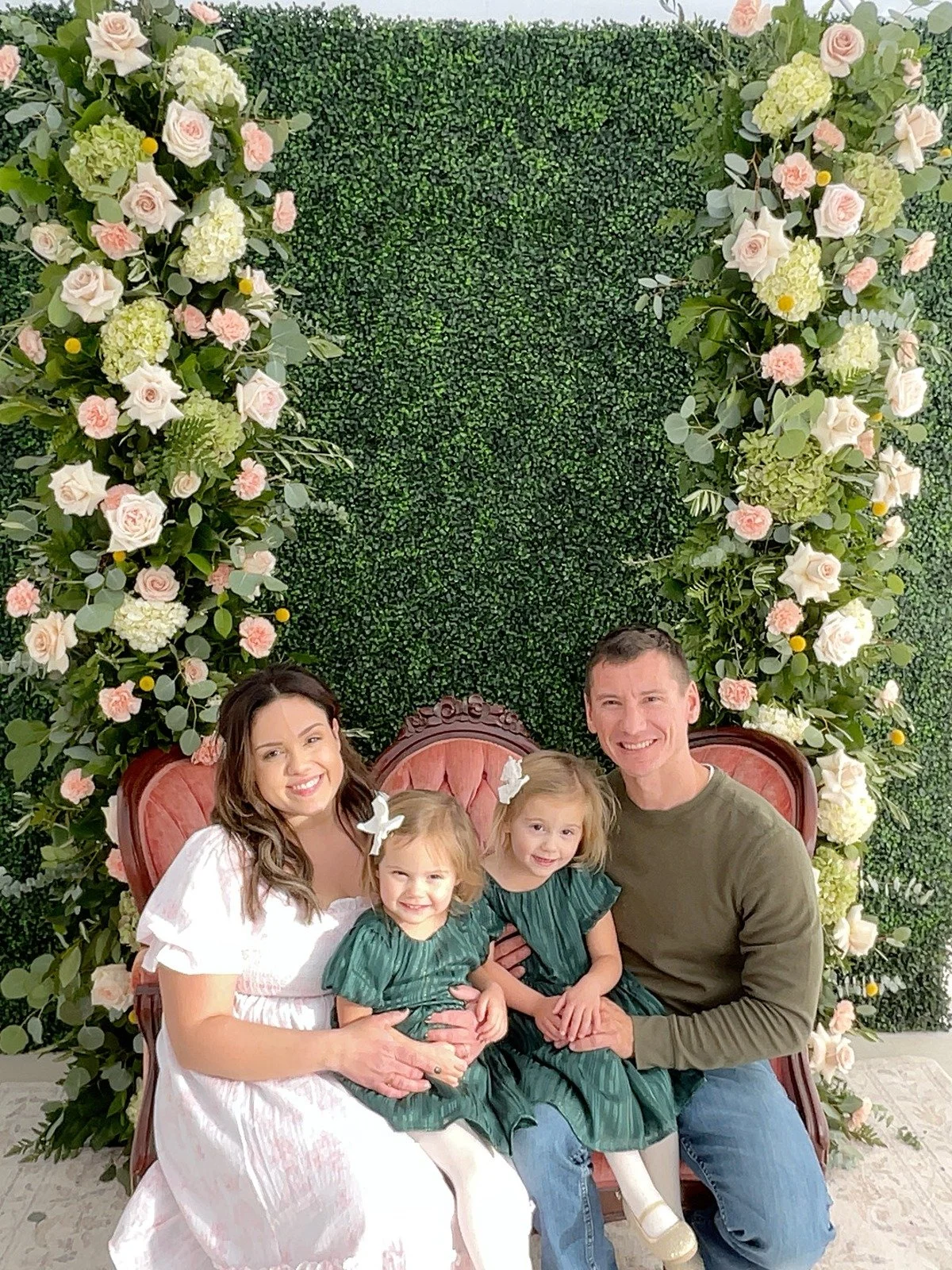
Artificial flowers or greenery: A beautiful option for weddings, bridal showers, and garden-inspired events.
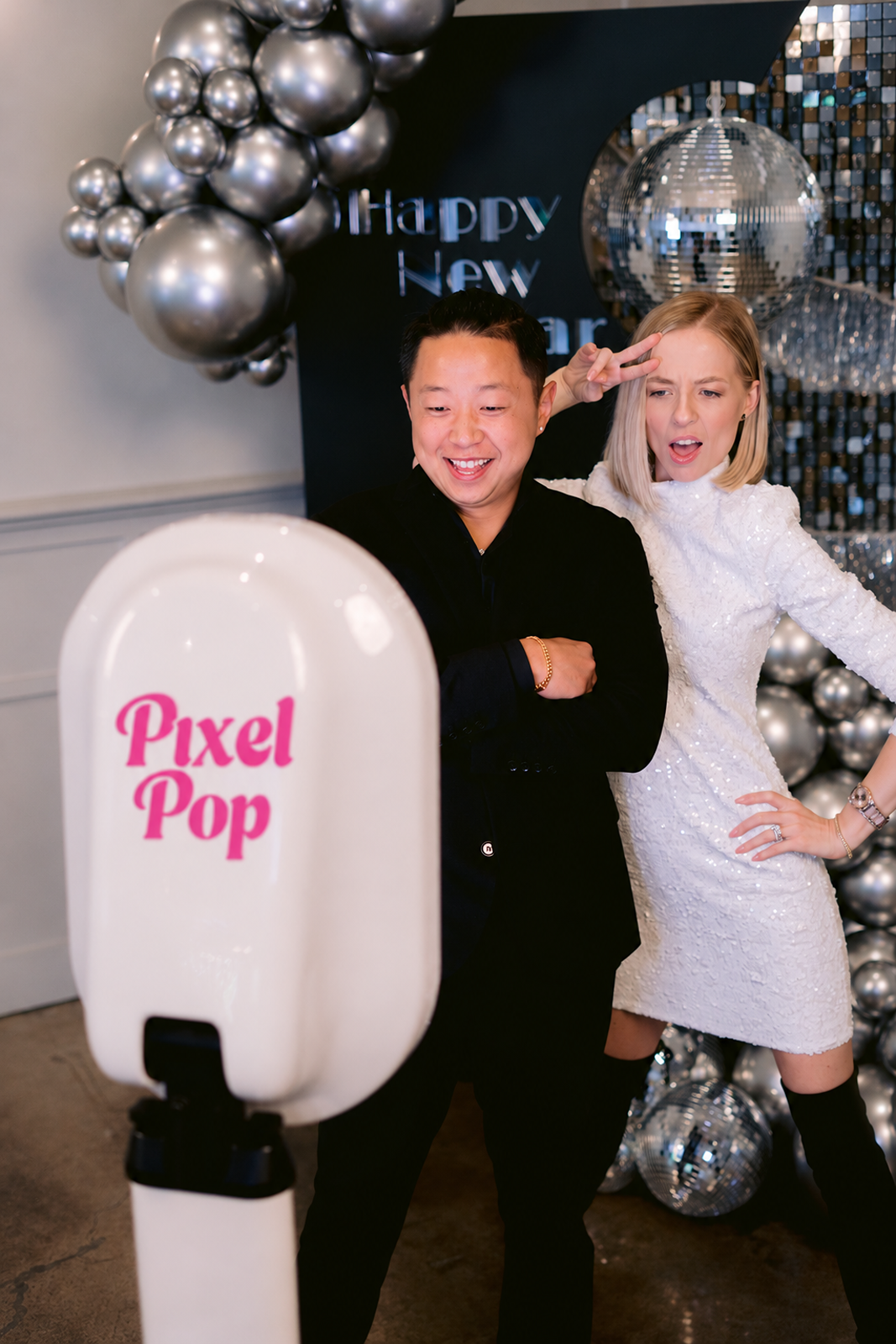
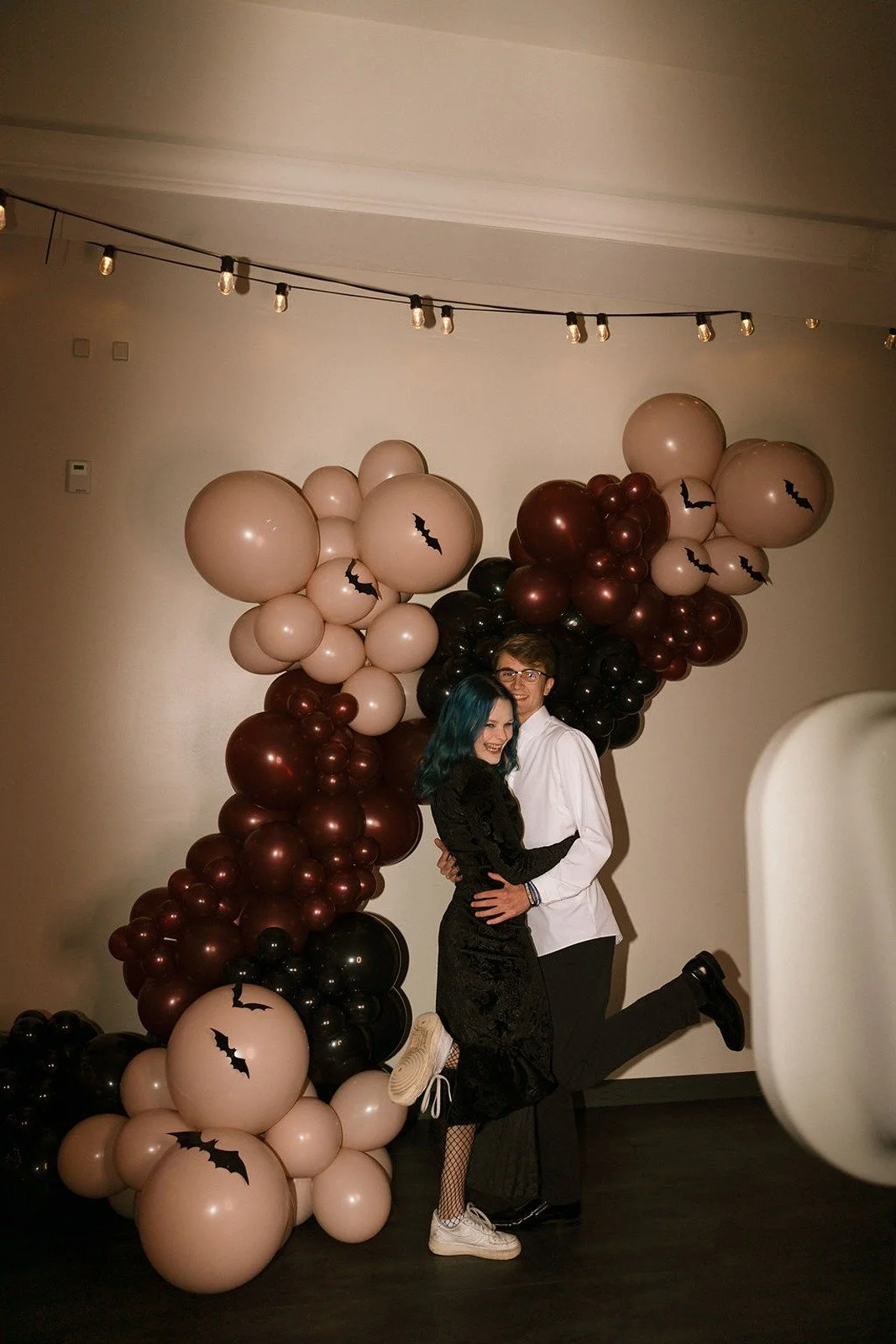
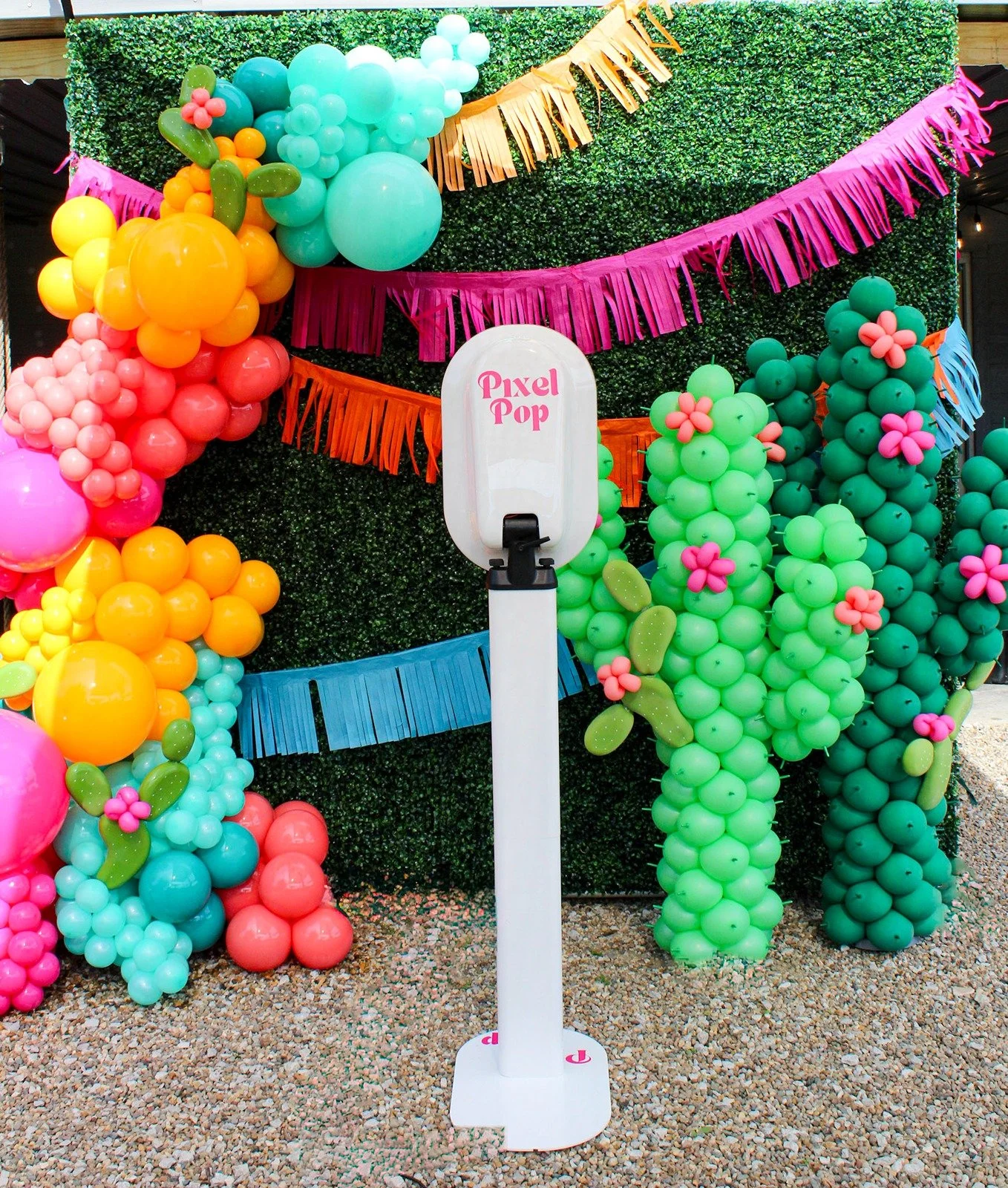
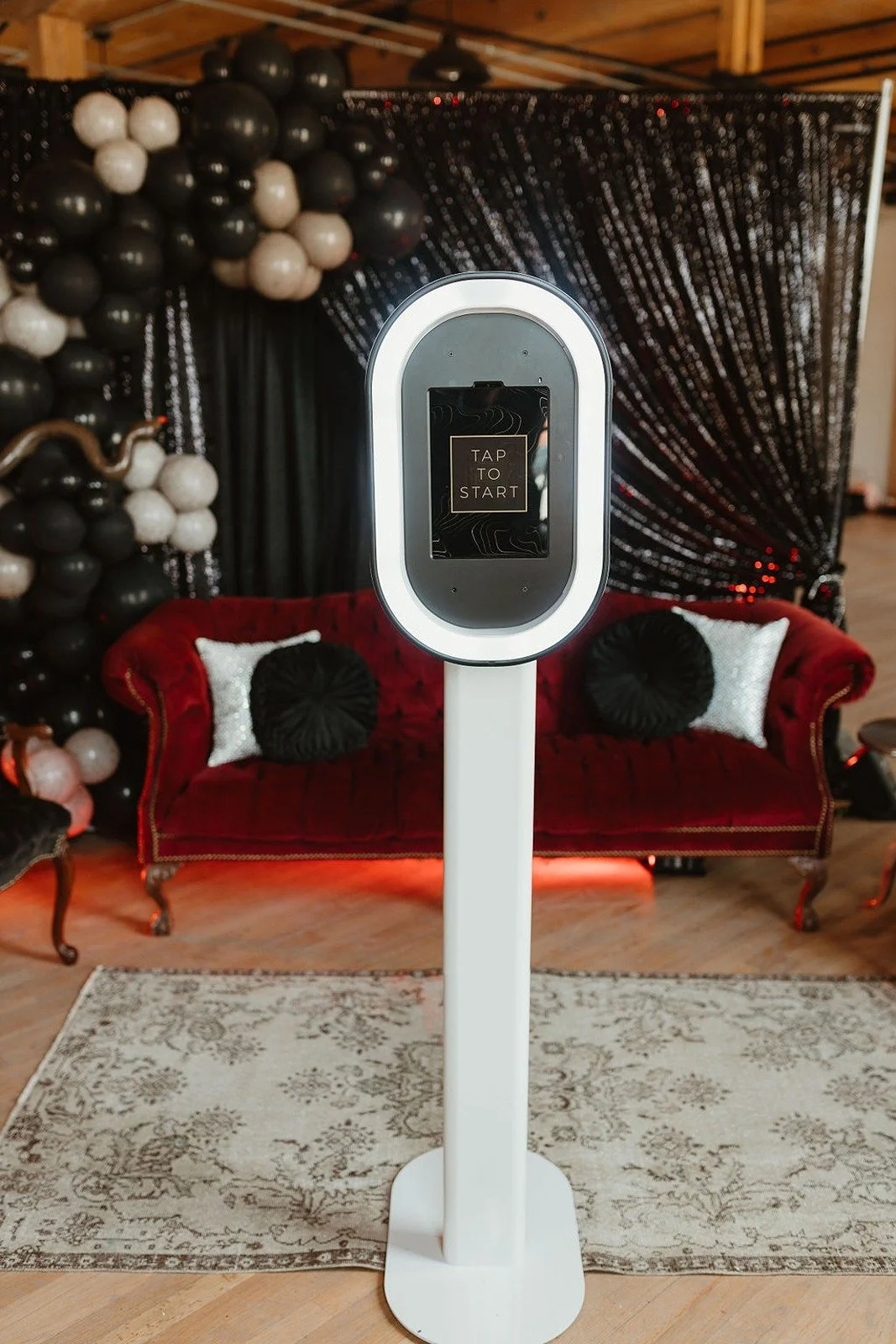
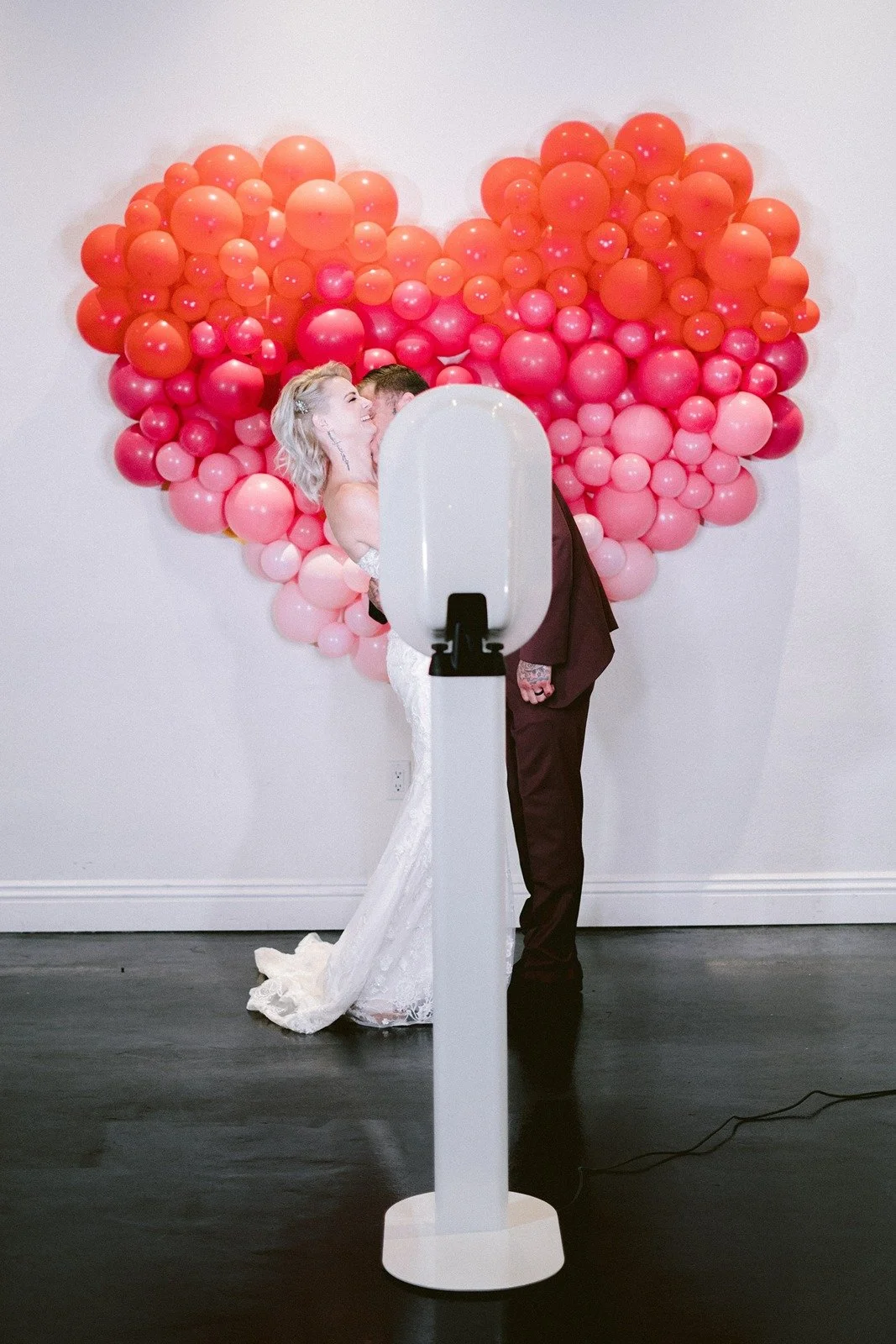
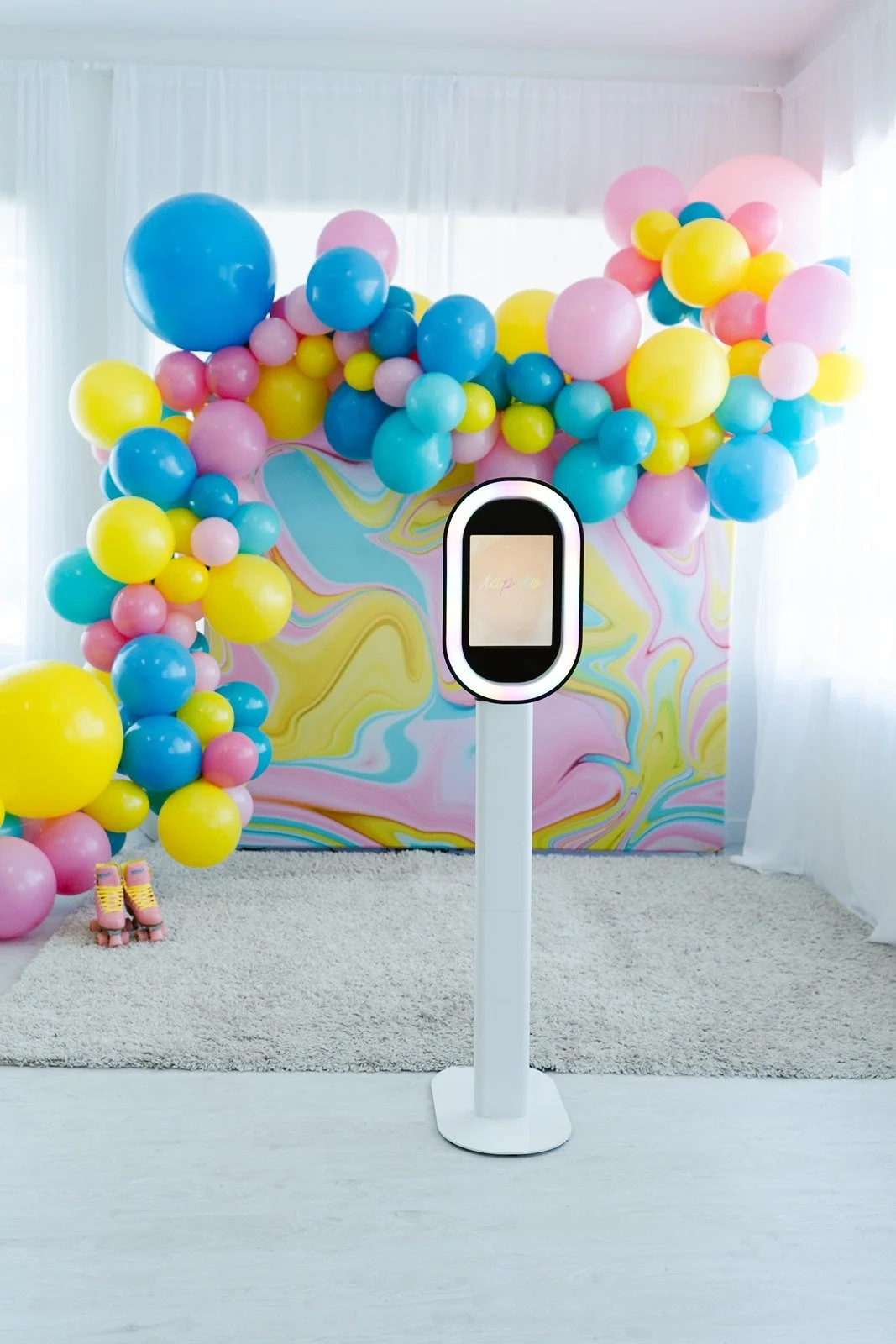
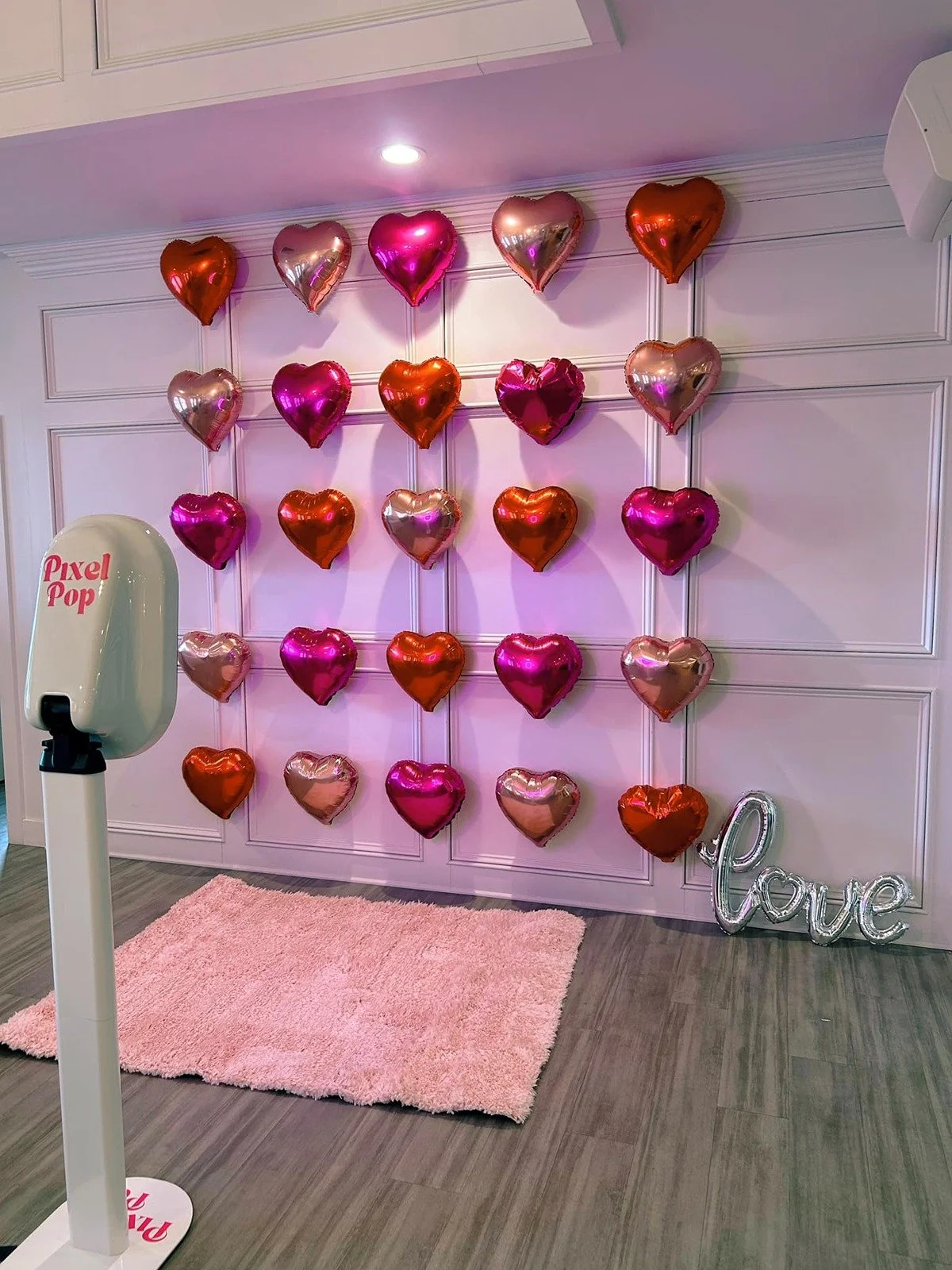
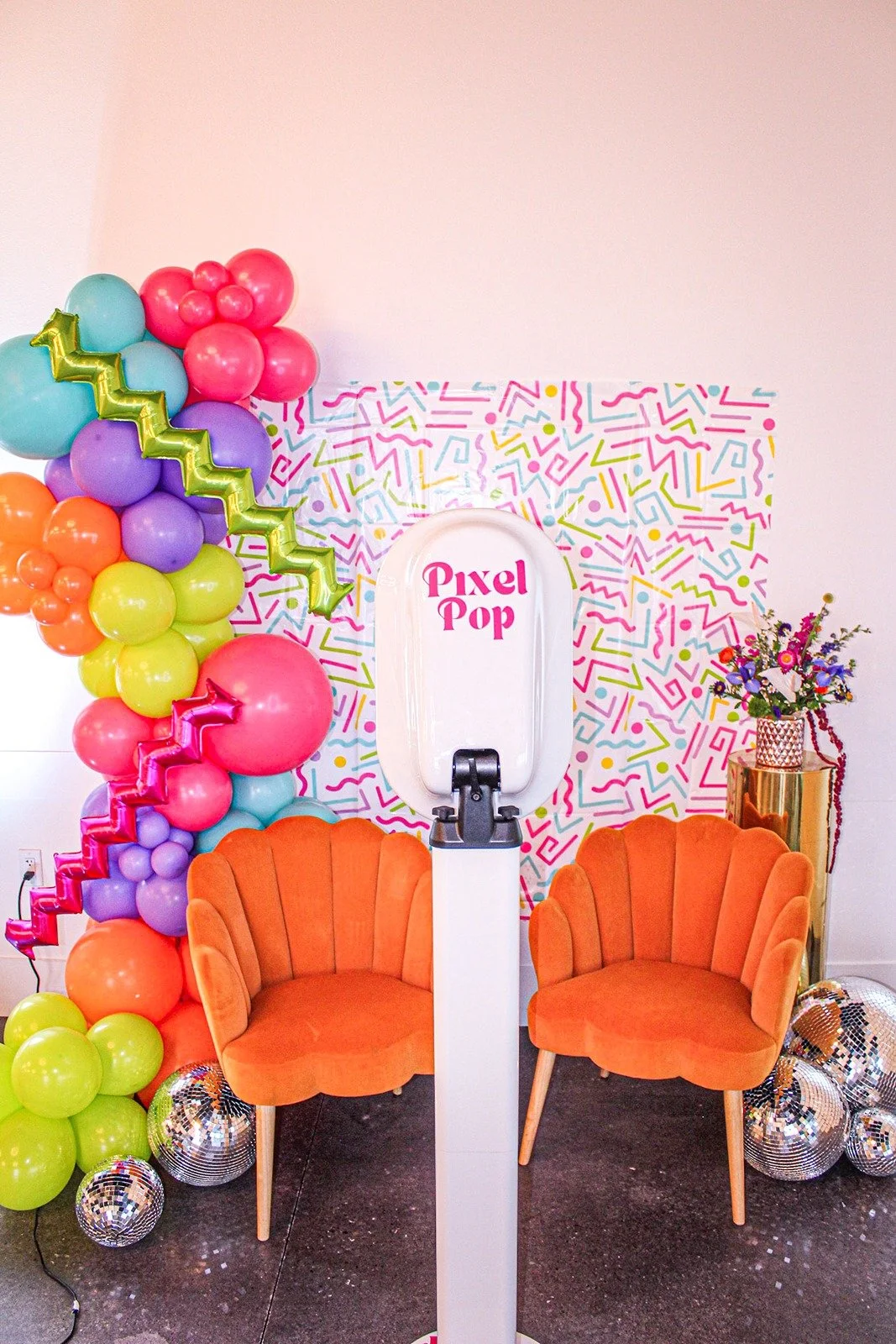
Balloon installations: Great for adding dimension and color to your photo booth area.
Curtains: An easy way to create an elegant backdrop using inexpensive curtain panels.
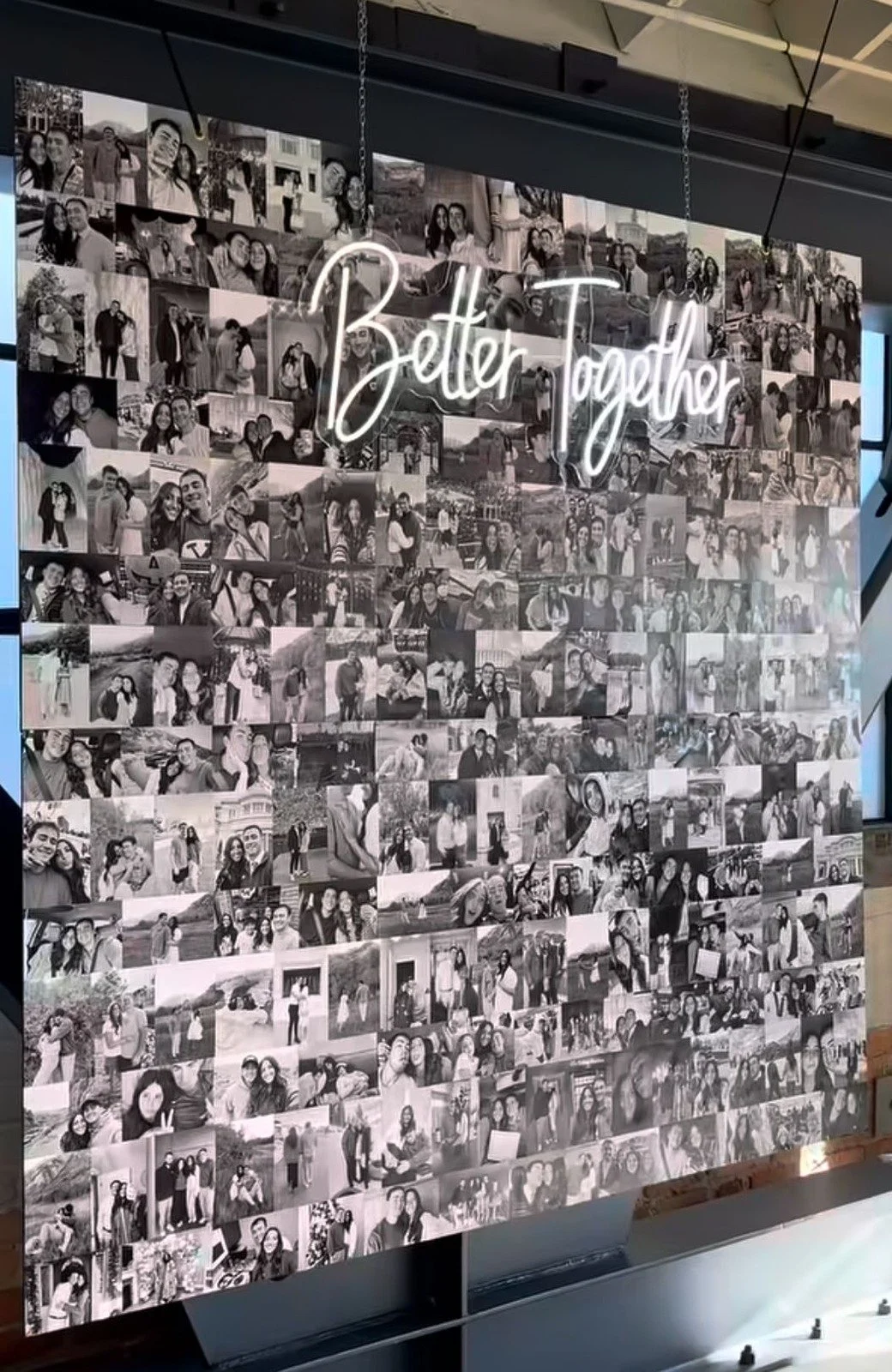
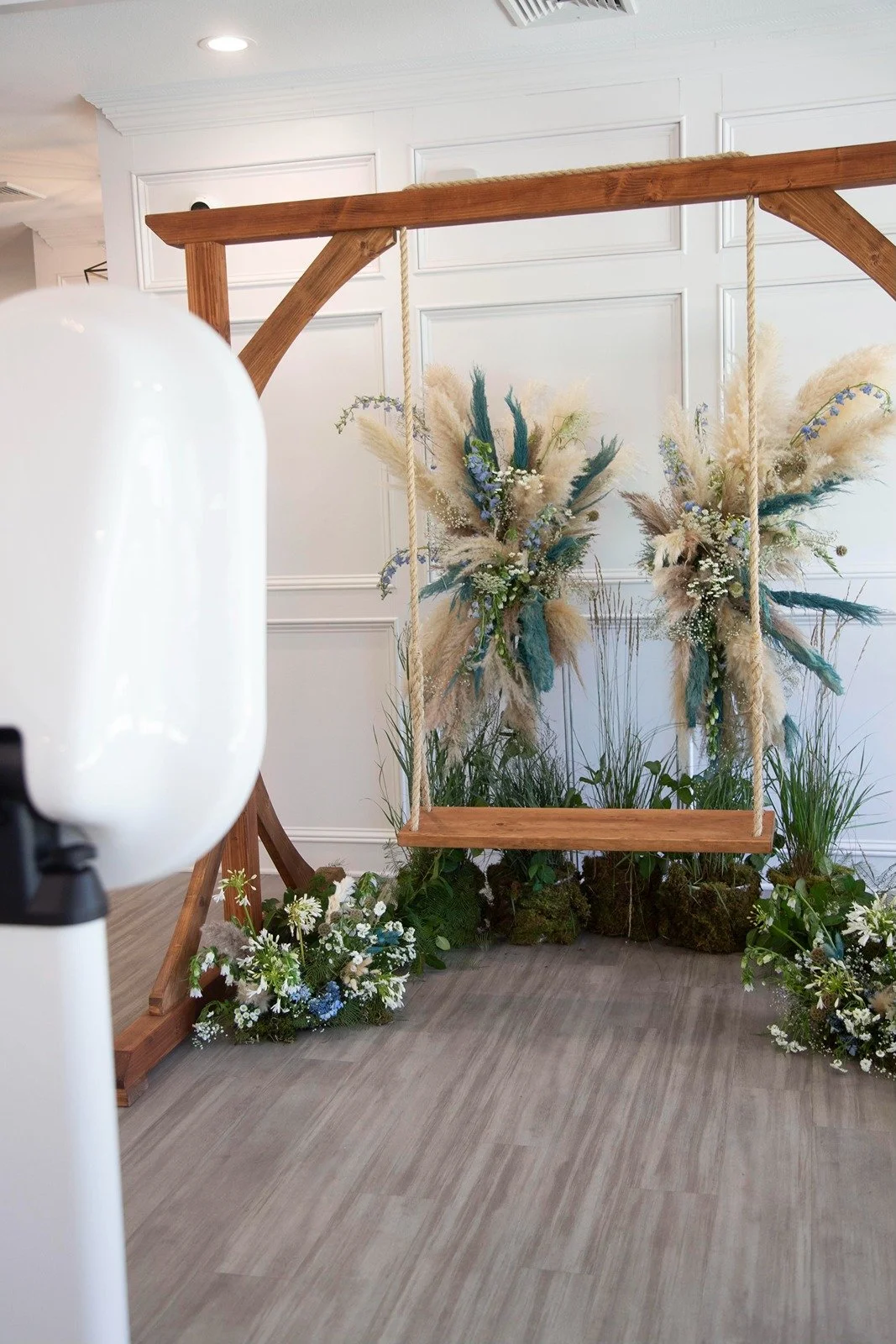
Custom panels: Use foam boards, plywood, or lightweight display panels to create a backdrop that matches your event theme.
Whatever style you choose, make sure your backdrop is secure, stable, and large enough for the photo booth template you're using.
Renting vs. DIY Photo Booth Backdrops: Which Is Better?
When planning your photo booth setup, one of the first decisions you'll need to make is whether to rent a backdrop or create your own DIY photo booth backdrop. Both options have their benefits, and the right choice really depends on your budget, event style, and how much time you're willing to put into the setup.
Benefits of Renting a Photo Booth Backdrop
Renting a photo booth backdrop is a great option if you want a polished, professional look without having to purchase materials or build anything yourself. Many rental companies offer a variety of backdrop styles, colors, and designs, making it easy to find something that complements your event.
Some of the biggest benefits of renting include:
Convenience: The backdrop is typically ready to go, saving you time on shopping for supplies and putting everything together.
Professional appearance: Rental backdrops are often designed specifically for events and photo opportunities.
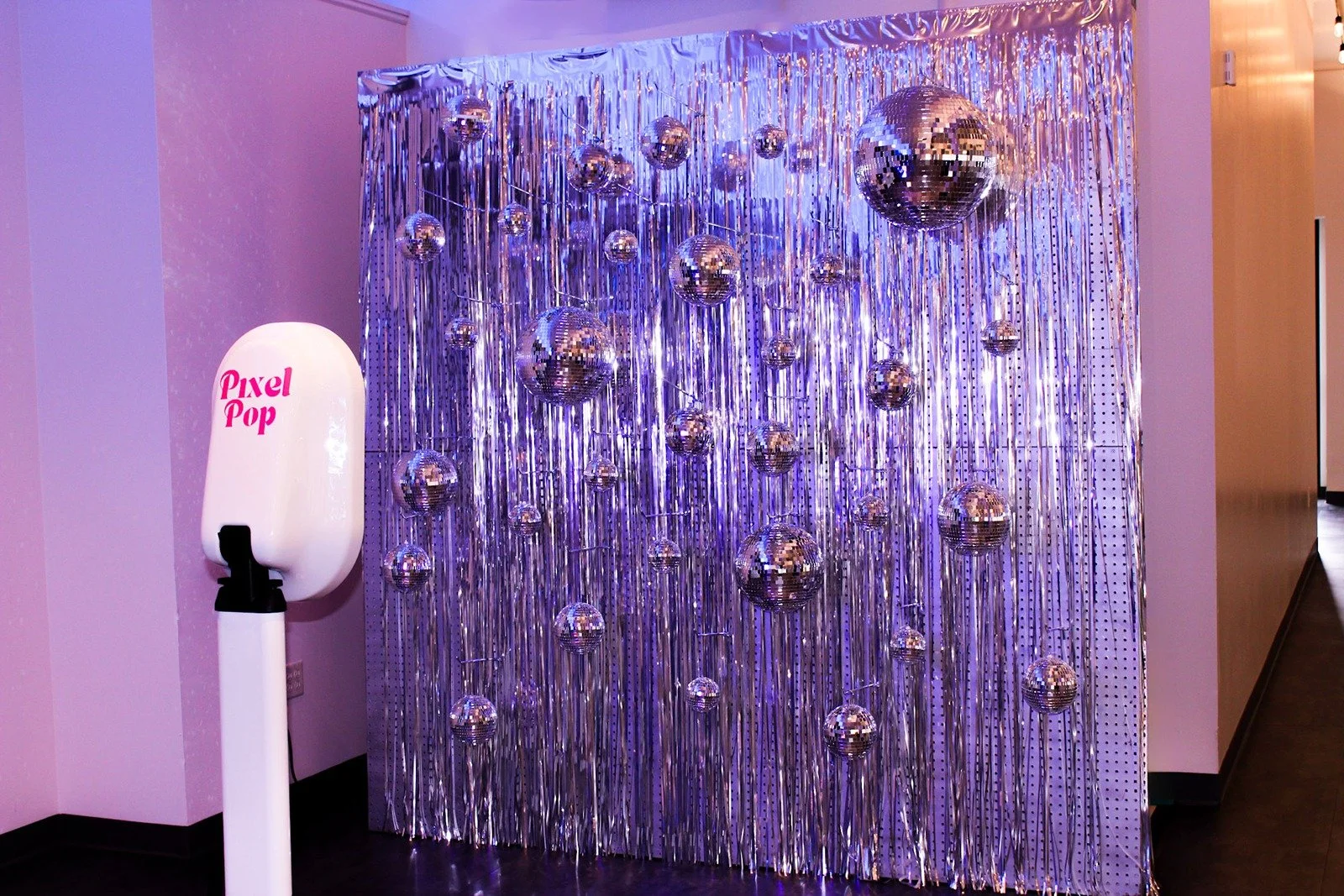
More design options: You may have access to specialty backdrops, custom walls, shimmer walls, floral installations, and other designs that would be more difficult to recreate yourself.
Less storage: You don't have to worry about storing a large backdrop or finding a place to keep it after your event.
Renting is especially helpful if you're short on time, want a more elaborate backdrop, or simply don't want another DIY project on your to-do list.
Benefits of Creating a DIY Photo Booth Backdrop
If you're working with a tighter budget or enjoy getting creative, making your own photo booth backdrop can be a great alternative to renting. With a little planning, you can create something that looks beautiful in photos without spending a fortune.
Here are a few reasons to consider going the DIY route:
Save money: Creating your own backdrop can be much more affordable than renting, especially if you're able to use materials you already have.
Customize your design: You have complete control over the colors, textures, decorations, and overall look.
Match your event theme: Whether you're planning a wedding, birthday party, graduation, or corporate event, you can create a backdrop that coordinates with your decorations.
Reuse your materials: If you purchase a backdrop stand or reusable materials, you can save them for future parties and celebrations.
Get creative: DIY gives you the freedom to experiment with different ideas and create something unique to your event.
The biggest thing to remember with a DIY photo booth backdrop is that you'll need to plan ahead. You'll be responsible for purchasing materials, assembling everything, and making sure your backdrop is the right size for your photo booth camera and template.
A DIY photo booth backdrop can be a great alternative to renting one, but choosing the right size is key to getting the results you want. Before purchasing supplies or starting your project, decide which photo booth template you'll be using and make sure your backdrop provides enough coverage for that layout.
As a quick reminder, an 8 ft × 8 ft backdrop is a great choice for square photo booth templates, while a 6 ft × 8 ft backdrop can work well for portrait-style templates.
A little planning ahead can make all the difference between a DIY backdrop that looks homemade and one that gives your photo booth a polished, professional finish!